
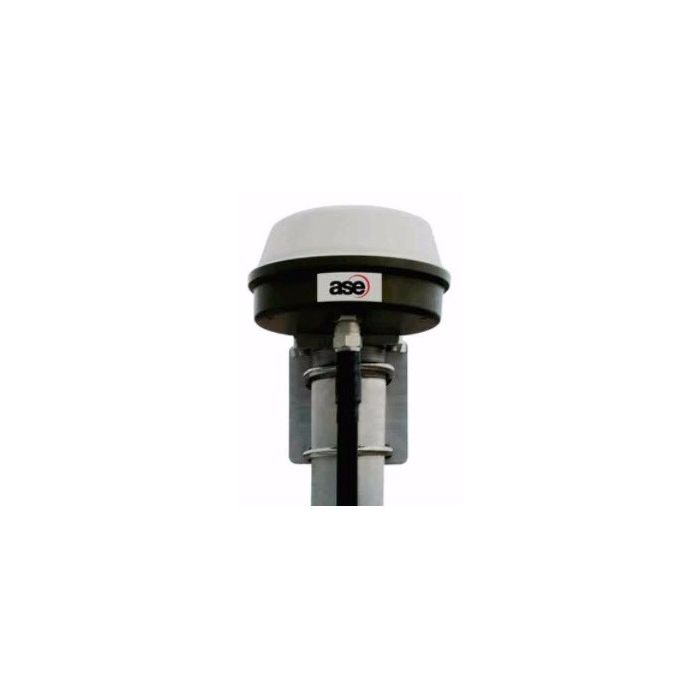
BSN NAL Filtered Passive Antenna (ASE-PFA0-P)
In stock
- HLUTI #:
- ASE-PFA0-P
- AVAILABILITY:
- SUBJECT TO AVAILABILITY
- SKU:
- BSN NAL-ASE-PFA0-P
BSN NAL Filtered Passive Antenna (ASE-PFA0-P)
ASE-PFA0-P is typically sold as an antenna-only component (often no coax cables included) and is also functionally associated with broader “premium filtered antenna kit” ecosystems that add mounting hardware, lightning protection, and long low-loss coax runs.
Design and Features
Passive antenna architecture
ASE-PFA0-P is described as a passive antenna, meaning it does not require external power (unlike “active/powered” antennas that integrate amplification). In passive architectures, overall system performance depends heavily on cable length and cable loss, mounting height, and sky view. Passive antennas are commonly selected when cable runs are moderate and simplicity is valued.
Integrated RF filtering (interference mitigation)
In RF-congested environments, interference from nearby transmitters or co-located antennas can reduce Iridium reception even when line-of-sight is acceptable. “Premium” filtered antenna materials associated with ASE systems explicitly highlight an RF notch filter / RF filtering approach intended to “lock in” the Iridium signal and reduce noise from surrounding RF sources.
External mounting flexibility
Filtered passive antennas like ASE-PFA0-P are generally used in fixed installations (marine, rooftop, pole, or building mount) to improve antenna placement relative to obstructions. Premium kit documentation associated with ASE antenna systems illustrates a standard approach: mount the antenna with clear sky view, route coax to an indoor docking station or fixed terminal, and include grounding/lightning protection practices when installed outdoors.
Component-level product (no cable included)
Retail listings for the BSN NAL ASE-PFA0-P commonly specify it as an antenna-only accessory, explicitly noting no cables included. This is important for procurement because the correct coax type, connectorization, and lightning/surge protection may be selected separately depending on the installation.
Technology and Specifications
Frequency band (Iridium)
Iridium satellite handsets and terminals operate in the 1616–1626.5 MHz range, and comparable ASE passive antenna specifications for Iridium applications list this same operational band. As a filtered passive Iridium antenna accessory, ASE-PFA0-P is intended for this Iridium L-band window.
Polarization and antenna type (typical Iridium passive designs)
For Iridium satellite links, passive antennas are often specified as right-hand circular polarization (RHCP) to match satellite signal characteristics. Published specifications for ASE passive antenna kits list RHCP and describe a dipole-type configuration with nominal gain figures suitable for handset/docking station use. These published passive-antenna parameters are commonly referenced when evaluating compatibility and expected performance in Iridium installations.
Connector interface (common docking-station installations)
ASE passive antenna kit specifications commonly list a TNC female antenna-head connection as part of the Iridium passive antenna ecosystem, along with adapter pigtails that transition to other connector types used in long coax runs and indoor terminals. In practice, buyers verify connector gender and adapter needs (TNC/N-type/SMA variants) based on the docking station or lightning arrestor interface.
System-level considerations: cable loss and “passive vs active”
Antenna performance in real installations is often dominated by feedline loss. ASE “premium antenna kit” documentation emphasizes specific coax types and warns that using incorrect cable lengths/types can damage components or invalidate warranty in kit contexts—underscoring that cable selection is part of the engineered system. For longer runs, many installers shift to active (powered) filtered antennas that are designed to tolerate greater coax loss.
Applications and Use Cases
Iridium docking stations (indoor satphone use)
A primary use case for a filtered passive antenna is to enable indoor satphone operation via a docking station by relocating the antenna outdoors (or to a better vantage point) while keeping the handset/phone base inside. ASE resilience/office installation materials reference premium passive filtered antenna solutions as part of “in-building” Iridium satphone continuity setups.
Marine and vessel installations
Passive external antennas are widely used for marine installations where a handheld phone may be docked below deck but an antenna can be mounted with better sky visibility. Passive antenna kits are explicitly marketed for marine or in-building use, and the filtered approach is particularly relevant when multiple onboard radios/antennas increase the risk of RF interference.
High-interference RF environments
Retail descriptions of the ASE premium filtered antenna concept specifically call out environments such as urban sites, satellite farms, and substations, where RF clutter can degrade Iridium performance. In such deployments, the filtered passive antenna is positioned as a mitigation tool to reduce interference and stabilize link quality.
Fixed remote sites and contingency communications
Enterprises and public-safety users may install Iridium docking solutions at remote buildings for continuity during disasters or outages. In these systems, a filtered passive antenna can be part of an overall design that includes appropriate mounting, grounding, and (often) lightning protection and surge suppression.
Advantages / Benefits
Improved Iridium signal reliability in challenging RF conditions
The central benefit of ASE-PFA0-P is its emphasis on RF filtering—intended to help Iridium receivers maintain usable signal in RF-noisy environments by reducing unwanted energy outside the Iridium band.
Simplicity (no power required)
As a passive antenna, ASE-PFA0-P avoids powered components, making it simpler to install and maintain than active systems (no power injectors or powered breakout boxes required at the antenna head).
Flexible integration with installation-specific cabling
Because the antenna is often sold without cables, installers can select coax type/length and protective components appropriate to the environment (marine grade, rooftop, lightning-prone regions, etc.).
FAQ Section
What is the BSN NAL Filtered Passive Antenna (ASE-PFA0-P)?
The ASE-PFA0-P is a filtered passive external Iridium-band antenna used to improve Iridium satellite connectivity for compatible handsets and docking-station installations, especially in RF-noisy environments.
How does ASE-PFA0-P work?
ASE-PFA0-P improves performance by allowing the Iridium antenna to be mounted in a location with better sky view and by applying RF filtering that helps reduce interference outside the Iridium band before it reaches the receiver.
Why is ASE-PFA0-P important?
In many installations, Iridium performance is limited by poor antenna placement (indoors, below deck, behind structures) or by nearby RF transmitters. A filtered passive antenna addresses both issues by improving placement and reducing interference.
What are the benefits of ASE-PFA0-P?
Key benefits include RF filtering for interference mitigation, passive (no-power) simplicity, and improved Iridium connectivity when used with correct mounting and cabling for docking stations and fixed installations.
Summary
The BSN NAL Filtered Passive Antenna (ASE-PFA0-P) is an Iridium-band passive external antenna positioned for deployments where RF interference and/or poor antenna placement can undermine satellite connectivity. By pairing a passive architecture with premium RF filtering concepts used in professional Iridium installation ecosystems, it supports more reliable indoor, marine, and fixed-site Iridium operations when integrated with appropriate cabling and installation practices.
Specifications
| HLUTI # | ASE-PFA0-P |
|---|